
When I captured the photo of me above in 2020, I had no idea the impact it would have on my life. Little did I know that the visible haze and cloudiness in my right eye, was going to help me share my story 6 years later. This blogpost will give you a sneak peek of my journey with ICE Syndrome; the “good”, the bad and the ugly. An extremely rare condition that turned my world upside down, and took 13 years to get diagnosed.
2019: Solving Half the Equation
In 2019, I wrote a blogpost about a corneal scraping eye surgery I underwent, which would hopefully save my vision, only to realize that that was only half the equation. At the time, I was struggling with recurrent corneal erosions and was informed that scraping off the corneal scars the erosions had caused would finally set me free. By then, 5 years had passed since my first symptom, and I had already had my fair share of emergency hospital visits.
Let’s just say that after 5 years of unbearable pain and sleepless nights, I thought this would all be over and I’d have my life back. Right? Wrong!
The photo above was taken 1 year after the corneal scraping surgery; a time I needed to hold on to hope. By then, I had accepted that while the surgery successfully cleared the immediate surface scars, it hadn’t stopped the underlying problem from coming back. The doctors still had no idea what the root cause was. That morning, I was experiencing the norm I’ve been used to for over 6 years; partial blindness with persistent haze, discharge, and fluid buildup behind my right eye. Even with my new normal, I still decided to have a snow day photoshoot to enjoy the weather and showcase my favorite jacket anyway. I definitely wasn’t pretending to be okay, but I forced myself to believe that if I kept pushing forward, my vision issues would one day disappear and I would finally move on with my life like nothing ever happened.
When I Thought Things Couldn’t get Worse…
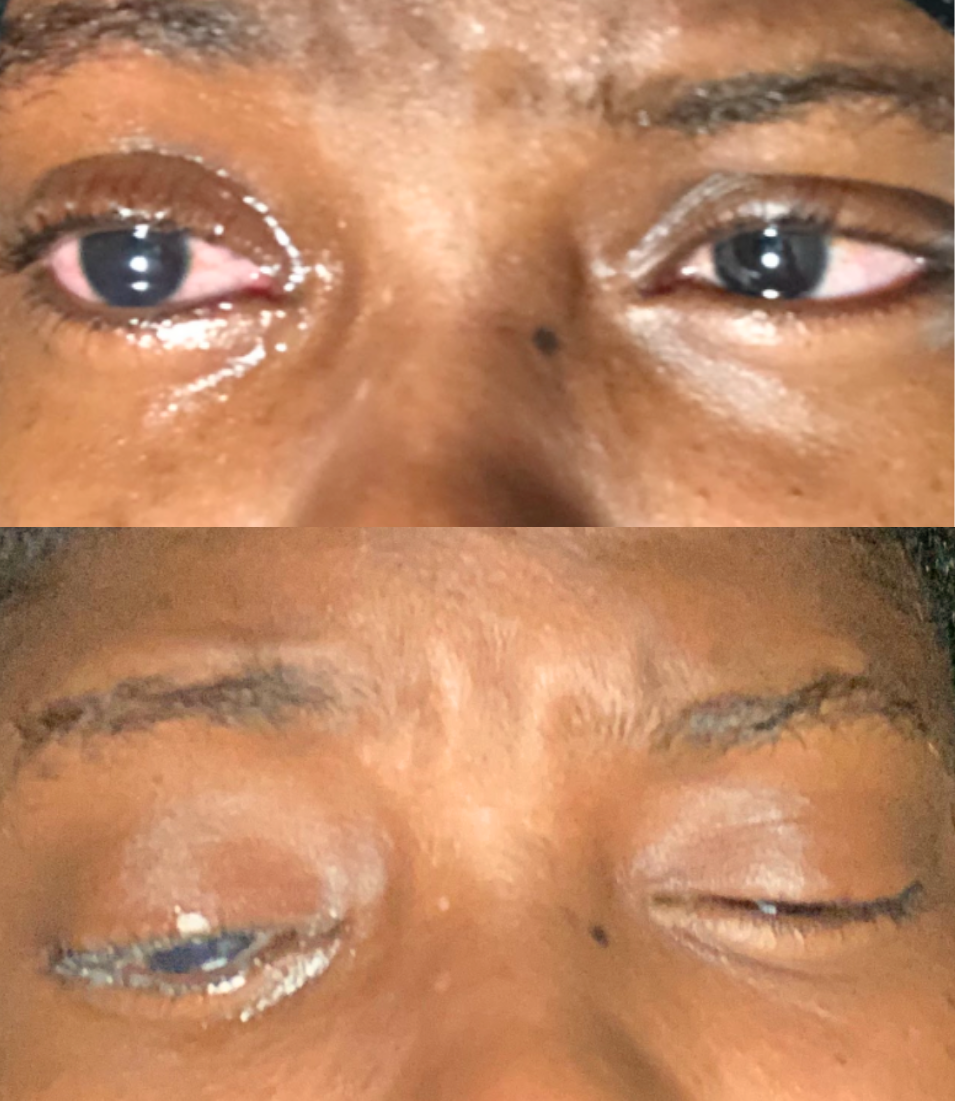
Well, that didn’t happen! Long story short, my vision issues worsened drastically. My life became occupied with frequent emergency visits. I dealt with painful corneal blisters (bullae) and an inability to focus due to the fluid buildup sensation in my head, all while juggling a full time job. Multiple corneal erosions, halos around lights, foggy vision, and severe corneal edema had consumed me. I tried hiding my pain, but my boss eventually caught on and even recommended that I apply for disability and accept this as a chronic issue. These symptoms made me want to rip out my hair. Yet, during emergency visits, I often felt dismissed by many doctors who swore this was purely severe dry eye and insisted on over-the-counter eyedrops that did absolutely nothing.
Photo Reference:
Top: Recurrent Corneal Erosion
Bottom: Discharge from Erosions
This happened so frequently that I had to learn how to multitask at life while seeing and dealing with things that no one else could see. Although I tried my best, I lost friends, and I lost many opportunities along the way. I stopped living the life I wanted, and decided to focus on healing. My partner was the angel that helped me regain my sanity during this time.
I felt defeated but had to keep pushing. I spent hours researching my condition. I even desperately joined corneal erosion Facebook groups for help, but one thing I quickly came to understand was that I had a severe case of edema and blistering in comparison to the other folks. Their diagnoses didn’t fully align with mine. They also found ways to treat their symptoms with over-the-counter drops and home remedies, but nothing worked for me.
A Glimmer of Hope
By April 2021, I had lost all hope. I experienced another blistering episode while driving and had to order an Uber to an emergency eye clinic. That day, I met a God-given doctor who quickly established that I had Idiopathic Corneal Edema, and prescribed two different eyedrops to help me address the suspected causes of my condition.
I tried prednisolone (an inflammation drop) which didn’t help, then Cosopt/latanoprost (high eye pressure drops) which finally started to reduce my edema. Because less edema meant fewer blisters, I felt fortunate for the first time in years to know I wouldn’t lose my eye. At least not yet. My right eye saw colors for the first time in years, and I couldn’t have been more grateful. Interestingly, eye pressure always measured normal. However, after several visits, the doctor concluded that because the Cosopt helped to an extent, there must be an eye pressure-related problem connected to the corneal edema. Shout out to Dr. K. He changed my life because he simply listened to my worries.
With the eye pressure eyedrops, I was able to manage my symptoms a bit more, and secured a new job for the next few years. I still dealt with those symptoms, but it no longer required 100% of my time.
2025: All Hell Breaks Loose
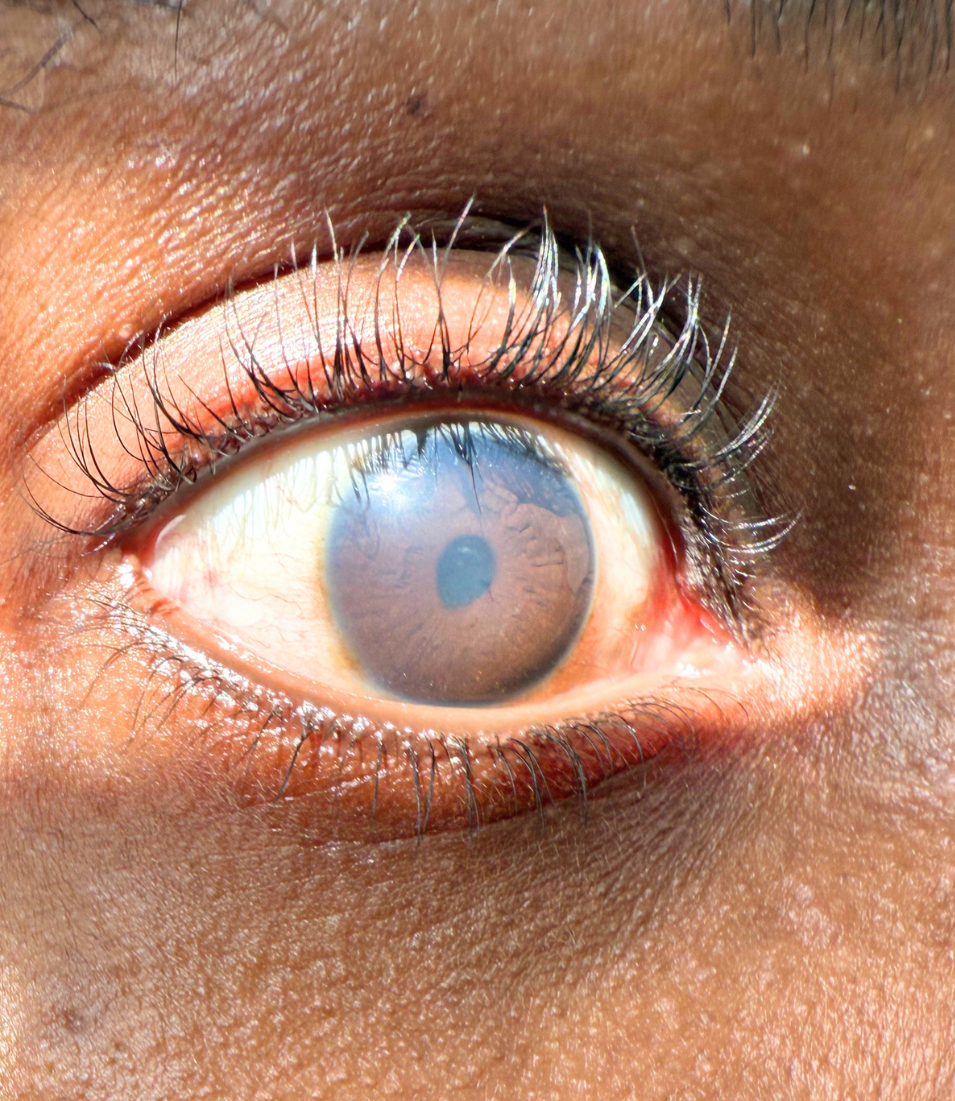
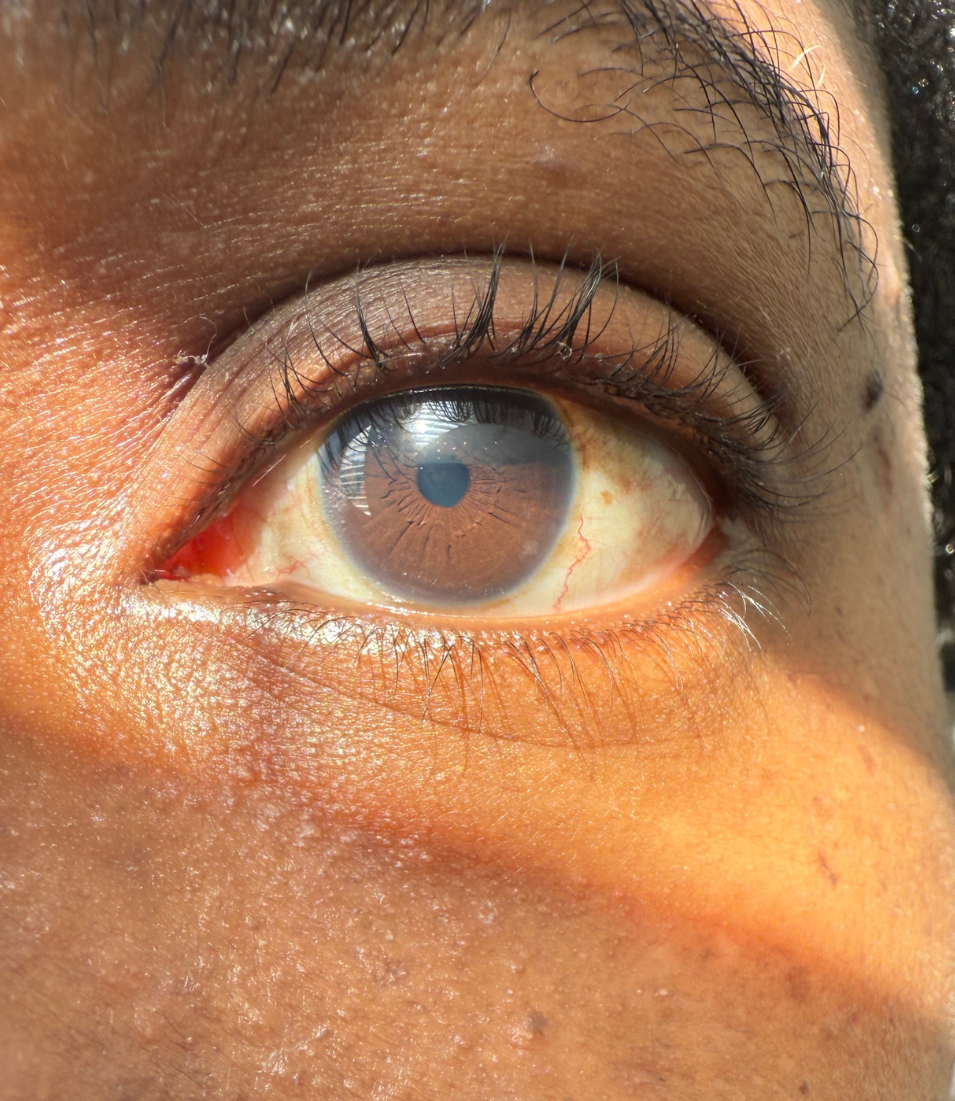
Fast forward to 2025, everything changed for the worse. I had a medical emergency, but my favorite doctor was in a transitional period of his career and wasn’t available at the time. This led me to seek out new doctors. After my emergency visit, I was told that my severe corneal edema was due to Iritis, and was referred to multiple other specialists for proper diagnosis. I took numerous lab tests and spent huge amounts of money trying to get taken care of. Trust me when I say, not a single doctor knew the cause of my edema, and didn’t move forward with any treatment when the lab tests came back negative. Although I mentioned several times that Prednisolone was unhelpful, I was still asked to use it for several months and to hold off on the pressure eyedrops instead. That’s when all hell broke loose.
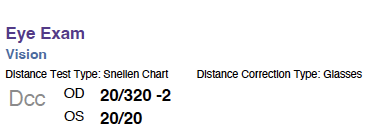
I lost most of my vision in my right eye. My visual measurement was 20/320 at one point. I started wearing sunglasses inside, but I found out the hard way that it actually made my light sensitivity worse and triggered dizziness and inability to focus on daily tasks. I also struggled with severe headaches. For over 5 months, I felt helpless and depressed. I lost everything. I had no job, and my husband became my caregiver. I laid in bed due to the constant pain and low vision, and missed out on the whole of summer of 2025.
I still went to see Alejandro Fernandez though because I wasn’t going to let those expensive tickets go to waste! So in order for me to event attend the event, I placed a cold pack on my eye for an hour to numb the pain from the blisters. Please don’t do this at home, kids. My left eye was the real MVP for carrying me through.
Searching for Answers
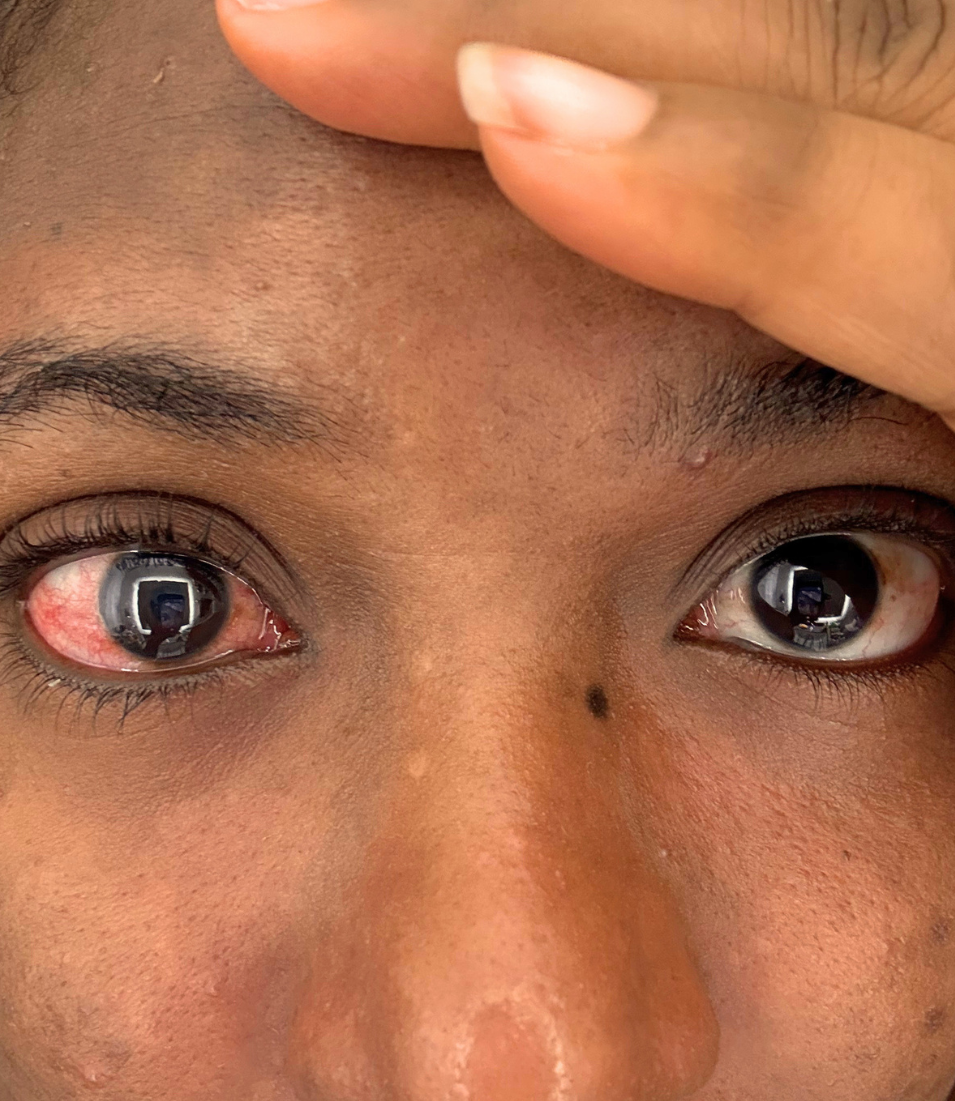
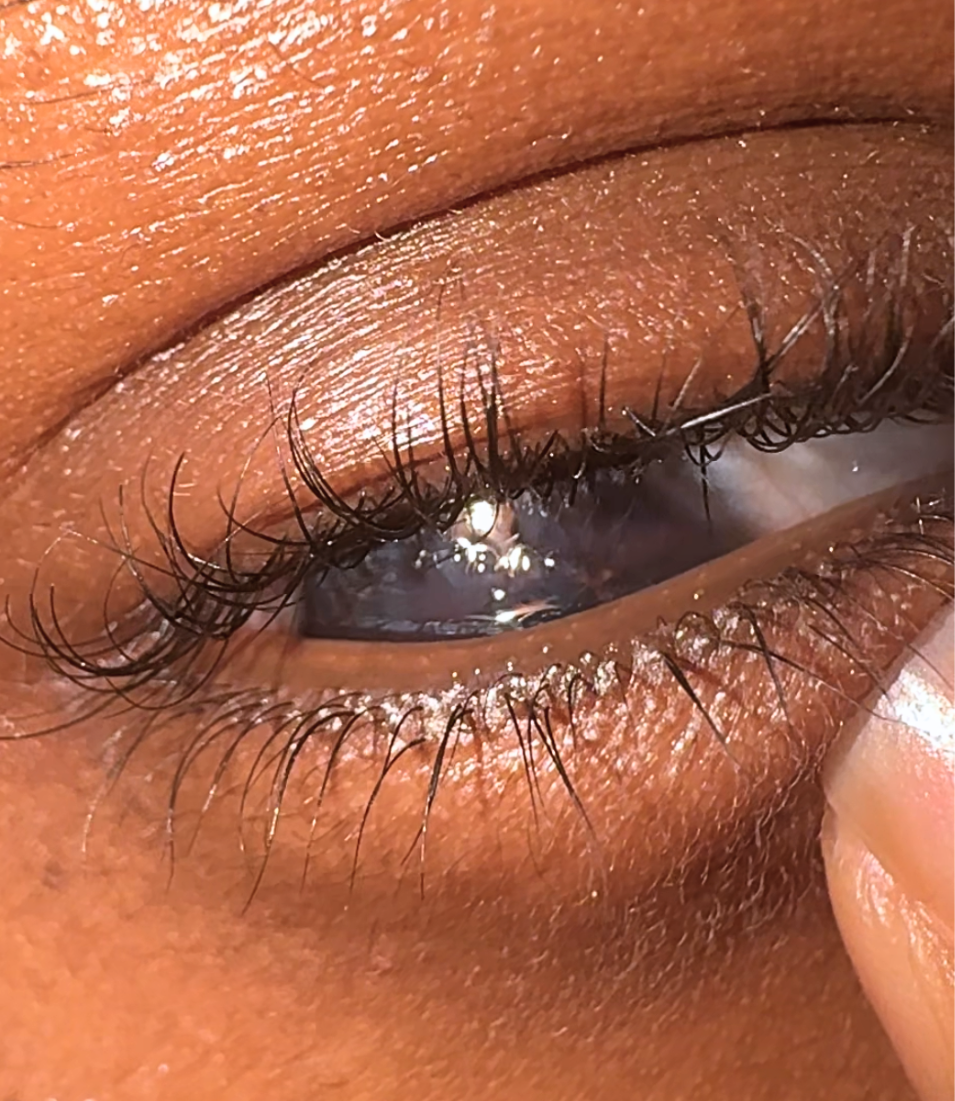
After my 24th office visit since May 2025, one of the doctors told me my vision wasn’t looking too good, and mentioned that I may have ICE but he couldn’t confirm. He said I was an extremely rare patient, and that they have patients like me come in maybe once every 10 years. Even though he couldn’t officially confirm it at the time, he was the very first doctor to connect the dots and suspect ICE Syndrome, which finally gave me the specific keyword I needed to search for. He then told me that having ICE basically meant that “the eye will gradually lead to blindness and there isn’t much to do to reverse it”. I was devastated, and asked for the eye to be removed. I couldn’t bear the pain anymore. I developed a new obsession with social media posts of people with one eye who were most likely living better than I was.
The doctor later suggested trying DMEK surgery (partial corneal transplant) first before removal and referred me to 2 other corneal specialists. One wanted to see more consistency with my symptoms before proceeding with the surgery. The other was an “ICE Syndrome expert” who agreed with the surgery but seemed extremely uninterested in understanding my situation, yet swore the inflammation eyedrops that worsened my vision would still be better for me and prescribed another higher dose of it. My cornea was severely inflamed at the time and my pupil has started to distort. I knew a higher dose of those drops will make problem this permanent.
So, I never picked up that prescription.
Reuniting with Dr. K.
Because I was having truly traumatic moments with the blisters and the pain, I decided to search for my favorite doctor, Dr. K., one more time. To my surprise, he had just started working at a new hospital a few weeks prior, so I immediately booked an appointment. Boy, was I happy to see him!
One thing about Dr. K. is that he will hear you out. After more than 3 years, he still remembered my name and kept right up to date with my concerns. By this point, I had figured out on my own that while the pressure eyedrops he recommended were helpful, they weren’t a permanent, long-term fix. However, layering the prescription eye pressure drops alongside over-the-counter drops worked well to keep the worst of my symptoms at bay. When we discussed the future, Dr. K. actually advised me to hold off on a DMEK surgery if my eye seemed more stable at times, warning me that a transplant could potentially worsen things and might not get rid of my persistent haze. He was also confident with me stopping the inflammation eyedrops that worsened my situation.
After doing more research on my own, I was convinced I had an endothelial cell dysfunction. This means that my fluid pumping cells were weakening, causing my persistent haze. I even wondered if having shingles as a child had something to do with this. I thought the dormant virus has attacked my eyes somehow. This led me to suspect Fuch’s Dystrophy, another degenerative eye disease that eventually requires a transplant. I later learned that Fuchs’ is genetic, so I knew that couldn’t be it. But with Dr. K.’s warnings about surgery fresh in my mind, I decided to take a trip to Miami to get a definitive answer.
Finding Answers in Miami
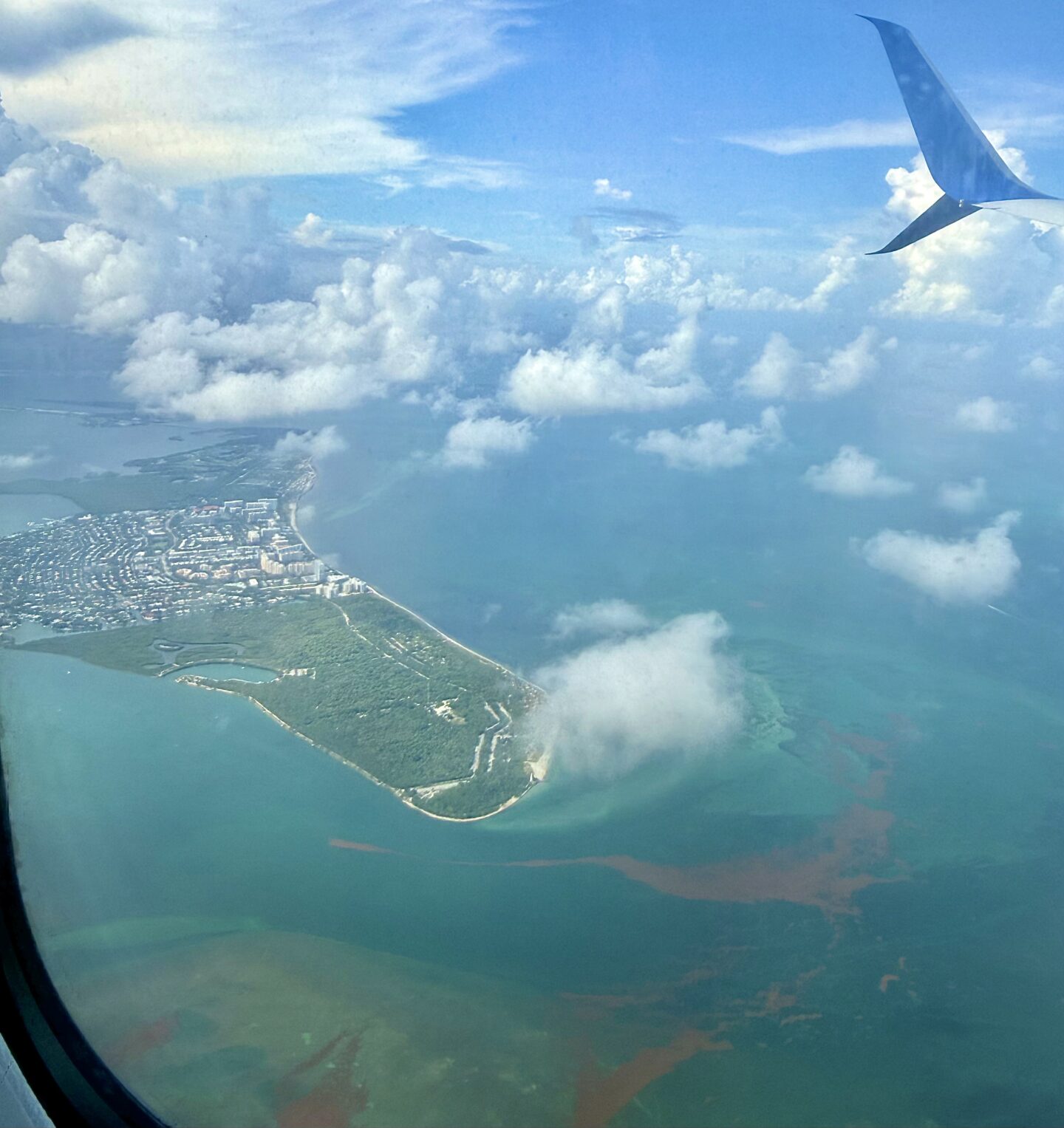
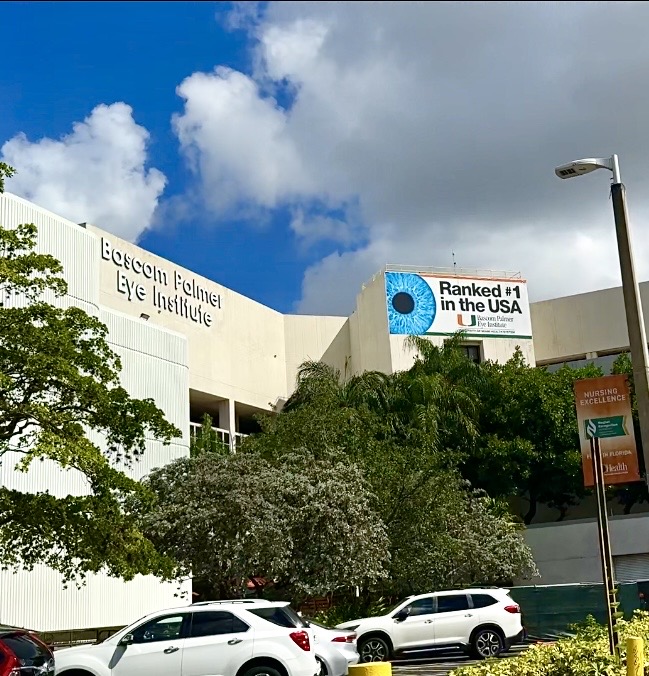
I did extensive research and found Dr. P. at Bascom Palmer Eye Institute. This hospital has been the #1 eye hospital for the past 25 years, and is renowned for diagnosing extremely complicated corneal diseases. After a 6-month wait, I was fianlly able to set up an appointment with Dr. P. and was officially diagnosed with ICE (Iridocorneal Endothelial) Syndrome, specifically the Chandler Syndrome variant.
After 13 solid years, I finally had an official diagnosis, but I felt like I lost the battle. I cried a lot. I never saw blindness as part of my fate in this life. The worst part was that I felt like I’ll have to deal with the pain forever.
Until Dr. P. assured me that there are ways to handle this. She also is hesitant to perform DMEK on an ICE Syndrome patient like me because they don’t last. ICE Syndrome causes the fluid-pumping cells to migrate to the eye’s drainage system or iris, meaning the disease will eventually treat any donor cells the exact same way. This was why my 2019 surgery only solved half the equation. The superficial keratectomy surgery wasn’t a surgical failure. It did exactly what it was designed to do by cleaning up the surface damage, but scraping the surface simply couldn’t fix a deeper cellular plumbing issue that no one knew existed yet. She then educated me on ROCK inhibitor eye drops, and a phase 3 study of a cell injection that will be available for patients like me within 2-3 years. If nothing works, a transplant is still an option in the foreseeable future.
Since I’ve returned from Miami, that has been my main focus; tracking the Rho-kinase (ROCK) inhibitor eye drops, which unfortunately are currently only available in Japan, and managing my completely justified anxiety about undergoing a cell injection in the next few years. This eyedrop could help minimize the underlying persistent haze on my cornea.
So What Now, While I Wait?
The good news is, I’m finally diagnosed and have a treatment plan. As much as I hate that I’m dealing with something as rare as ICE, I feel like I can finally breathe now. I’m at peace knowing the diagnosis that fully explains everything.
To give you an idea of the road it took to get here, my “diagnoses” since 2013 in order were:
- Dry eye
- Recurrent corneal erosions
- Corneal edema
- Idiopathic corneal edema
- Bullous keratopathy
- Iritis
- Shingles-related inflammation
- Iridocorneal endothelial (ICE) syndrome
What makes me confident about this being ICE is these all of these previous diagnosis are sub categories and symptoms of ICE Syndrome. Currently, my eye pressure measures normal. It always has, except for the times I had to use inflammation drops which worsened everything, but the eye pressure eyedrops helping me still means that glaucoma could be hiding around somewhere. So I’m glad we caught that with the help of Dr. K.
Reclaiming My Life (and My Name)
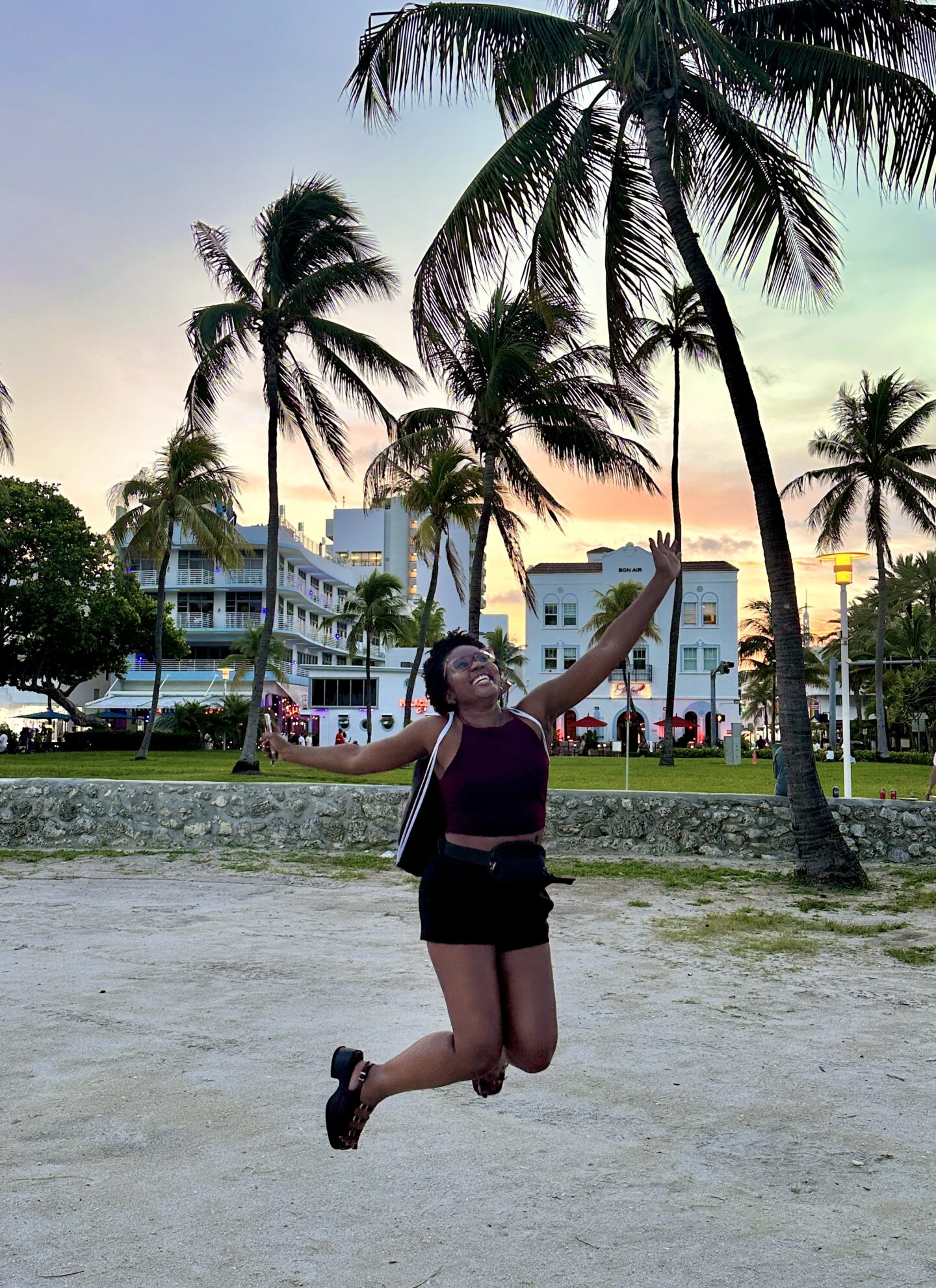
As far as living with ICE, I have now decided to take control of my own destiny and to live life to the fullest, the best way I can.
I spent all of my 20s finding answers. I lost myself and spent time trying to be heard by doctors. I wanted friends who are no longer in my life to believe me. I wanted them to see the pain I was going through and when they didn’t, I spent years stressing over ICE ruining my life.
No more of that. In fact, it’s been exhausting! I am going to chase the eyedrops and ointments that can help me until my cell injection. I may never be cured, but as depressing as this journey has been, I guess my spirit never broke.
I am going to explore life, build an amazing career path and pour my time into those who have been there for me and my future endeavors. I’ve even changed the last name of my platform to Hayz to represent the ‘haze’ I fought through and the ultimate turning point of my life.
With the little courage I’ve had today to share my story, I hope this not only helps patients with ICE Syndrome, but everyone out there who feels like giving up. It took me 13 years to get a proper diagnosis. Along the way, I met a countless number of doctors, approximately 15 to 20 before my official diagnosis and only 2 truly stood by me, showing genuine compassion in 2019 and 2021. Along with Dr. K, optometrist Dr. S. was also incredibly kind in 2019 during ER visits.
My point is, throughout your journey, those who care will show up. They will help you feel less alone. You will get through this stronger and wiser, but only if you hold on! I’ve lost so many people and opportunities along the way. But I feel confident knowing that life is still going to happen for me now that I finally see a solid path to recovery!!!
Barbara
XX

HELPFUL OVER-THE-COUNTER EYE DROPS
A Quick Note: Everyone’s eyes are completely unique! Always talk to your eye specialist before starting a new routine, especially when managing a rare condition like ICE Syndrome.
Thanks for reading!
Read the full breakdown of my first eye surgery here.
Subscribe to my Youtube channel here.
Check out my travel posts here.
Check out my fashion posts here.
Check out my self growth posts here.
Shop my closet favorites here. Shop my Instagram feed here.
Follow me on my new pinterest and instagram page.

1 Comment